 Get Free Quote
Maintaining superior cleanliness standards isn’t just about creating a pleasant atmosphere anymore. Health inspectors across Australia now assess pubs with stricter criteria than in previous years. A comprehensive cleaning routine protects your customers and business reputation significantly. Passing 2026 health inspections requires detailed planning, systematic execution, and professional attention to detail.
Understanding 2026 Health Inspection Standards
Current Requirements for Australian Pubs
Health inspections in 2026 focus heavily on hygiene protocols, food safety standards, and environmental sanitation. Inspectors check for compliance with Australia’s food safety laws thoroughly. Your pub must meet regulations regarding temperature control and cross-contamination prevention. These standards ensure customer safety and business credibility consistently.
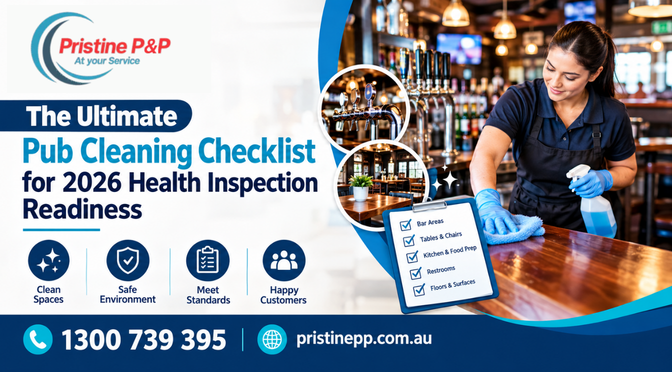
The Comprehensive Pub Cleaning Checklist
Daily Cleaning Tasks
- Empty and sanitise all rubbish bins immediately
- Wipe down bar counters with approved disinfectant solutions
- Clean pub cleaning services near me shouldn’t intimidate your staff at all
- Sweep and mop all floor areas completely
- Sanitise toilet facilities and restock supplies daily
- Check refrigeration units for temperature accuracy and safety
Weekly Deep Cleaning Protocol
- Degrease kitchen exhaust hoods and ventilation systems thoroughly
- Clean inside all refrigeration and freezer units properly
- Wash walls and light fixtures with appropriate solutions
- Sanitise all high-touch surfaces using industrial-grade products
- Deep clean carpets and upholstered seating areas carefully
Monthly Specialised Cleaning Procedures
Pub cleaning in Sydney establishments often requires pest control inspections. Professional teams should inspect pest control measures and implement preventative treatments. Check behind and under all equipment for pest activity. Document all cleaning activities in your compliance records meticulously.
Quarterly Maintenance Schedule
A professional pub cleaning company excels at specialised tasks requiring expertise. Deep carpet cleaning and wall restoration demand professional equipment. Roof and gutter inspections ensure no pest entry points remain. Professional services save time while guaranteeing inspection-standard results every quarter.
Creating Your Inspection-Ready Environment
Staff Training and Responsibility
Your team needs an understanding of hygiene standards and cleaning procedures. Assign specific staff members to monitor daily cleanliness responsibilities. Document all training sessions for compliance and quality assurance purposes. Regular briefings ensure everyone maintains consistent standards throughout operations.
Equipment and Supplies Management
Invest in commercial-grade cleaning products approved for food establishments. Maintain inventory of personal protective equipment for all staff members. Store chemicals securely away from food preparation and storage areas. Check expiration dates on all cleaning supplies regularly.
Record-Keeping and Documentation
Maintain detailed logs of all cleaning activities performed daily. Document any maintenance issues or pest sightings immediately and thoroughly. Businesses hiring pub cleaning in Sydney CBD must keep records accessible during inspections. These records demonstrate your commitment to health standards consistently.
Tackling Common Problem Areas
Kitchen and Food Preparation Zones
Deep clean behind and underneath all cooking equipment thoroughly. Inspect stovetops, ovens, and grills for grease accumulation regularly. Clean food preparation surfaces with appropriate food-safe sanitising agents. Store food items at correct temperatures away from contamination.
Restroom Facilities
Install regular maintenance schedules for all toilet and sink areas. Restock soap, paper towels, and hand sanitiser supplies constantly. Clean mirrors and floors to ensure excellent hygiene presentation. Check plumbing regularly to prevent leaks and water damage.
Bar and Customer Areas
Polish bar surfaces and seating areas using approved cleaning methods. Empty drink stations completely before deep cleaning begins. Wipe down all bottles and glasses properly before restocking. Clean underneath furniture and bar stools frequently.
The Role of Professional Cleaning Services
Engaging professional pub cleaning services near me provides several significant advantages. Experienced teams understand health inspection requirements thoroughly and comprehensively. They use specialised equipment and approved products, ensuring compliance. Professional cleaning saves staff time and reduces inspection risk substantially.
Preparing for Your 2026 Health Inspection
Two Weeks Before Inspection
Review your entire cleaning checklist systematically from top to bottom. Address any outstanding maintenance issues or cleaning concerns immediately. Deep clean all areas, paying special attention to forgotten spaces. Ensure all documentation is complete and properly organised.
Inspection Day Readiness
Ensure staff are informed and available to answer questions. Keep facilities clean throughout the day with standard routines. Have all required documentation accessible and clearly organised. Maintain calm and professional demeanour during the inspection process.
Conclusion
Achieving compliance with 2026 health inspection standards requires commitment and planning. A thorough cleaning checklist protects your customers and business reputation significantly. Professional assistance ensures you meet all regulatory requirements consistently.
Pristine PnP specialises in pub cleaning excellence across Australia. Their expert team understands health inspection requirements and industry standards thoroughly. Contact them today for comprehensive cleaning solutions tailored specifically for pubs.
- Phone: 1300 739 395
- Email: info@pristinepp.com.au
- Website: https://pristinepp.com.au/
Ensure your pub meets 2026 health standards with professional support.
FAQs
1. How often should pubs deep clean their kitchen equipment?
Deep cleaning of kitchen equipment should occur monthly at minimum. However, high-traffic pubs may benefit from bi-weekly deep cleaning for optimal hygiene standards.
2. What products are approved for sanitising food preparation surfaces?
Use only commercial-grade, food-safe disinfectants approved by Australian health authorities. Always check product labels for food contact surface compatibility.
3. How should pubs handle pest control for health inspection compliance?
Implement quarterly professional pest control treatments and regular inspections. Maintain detailed records of all pest control measures for inspection documentation.
4. What temperature should refrigeration units maintain according to 2026 standards?
Refrigeration must maintain temperatures below 5°C for food safety. Freezers should stay at minus 18°C or lower consistently.
5. How can pubs ensure staff understand cleaning and hygiene procedures?
Conduct regular training sessions and document all staff briefings thoroughly. Create written procedures for each cleaning task and make them accessible to all staff.
6. What documentation is required during health inspections?
Maintain cleaning logs, staff training records, and pest control reports. Temperature monitoring records and maintenance documentation must be accessible and organised.
7. Should pubs hire professional cleaning services or maintain in-house teams?
Both options work effectively; professional services provide expertise and specialised equipment. In-house teams offer flexibility but require proper training and resources.
8. How far in advance should pubs prepare for health inspections?
Begin comprehensive preparations at least two weeks before scheduled inspections. Address all outstanding maintenance issues and deep clean forgotten areas beforehand.
9. What areas do health inspectors typically focus on most closely?
Inspectors prioritise food preparation areas, restroom facilities, and storage zones. They also assess pest control measures and overall environmental cleanliness thoroughly.
10. Are there specific cleaning requirements for toilet and restroom facilities?
Yes, restrooms require daily sanitisation of surfaces and regular supply restocking. Ensure soap, paper towels, and hand sanitiser are available consistently.

